
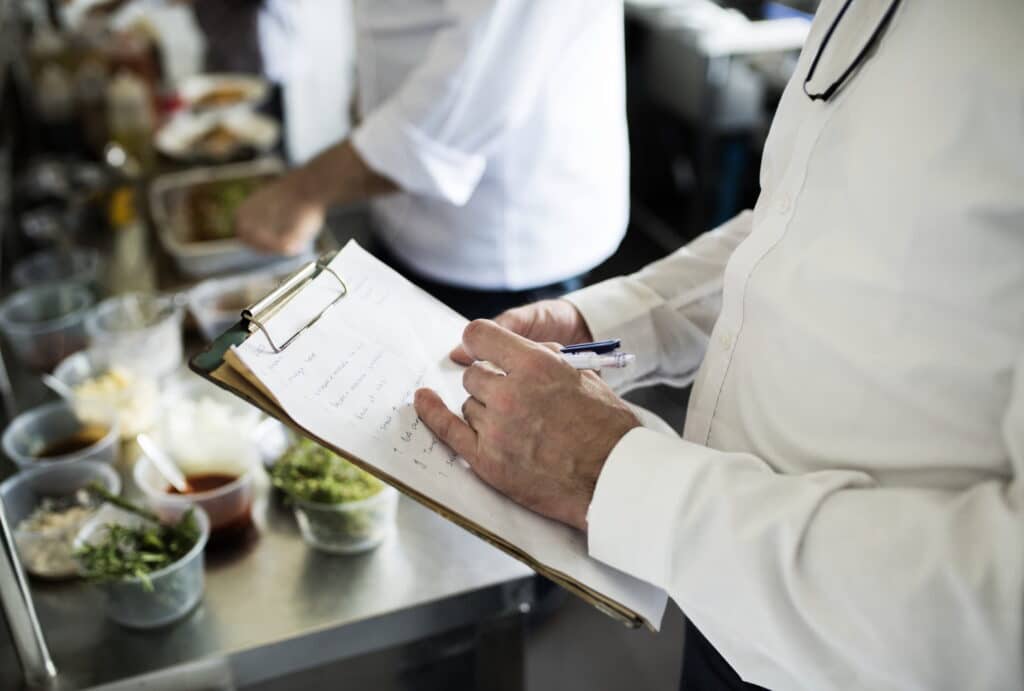
For many food businesses, audits are seen as a specific point in time. It can be a BRCGS audit, SALSA audit, customer or supplier assessment or EH inspection. A large amount of effort often goes into preparing for the auditor’s arrival.
It can be a costly mistake to wait until audit day to identify issues. To keep on top of food safety, internal food safety audits can be used as a proactive tool to uncover weaknesses, verify compliance and drive continuous improvement throughout the year.
What Is An Internal Food Safety Audit?
Internal audits are a systematic review of your food safety management system, processes, documentation and practices to determine whether procedures are being followed and remain effective.
A well-planned internal audit should verify compliance, identify risks, assess effectiveness, highlight opportunities for improvement and ensure continual compliance between certification audits.
Why Internal Audits Are Important?
Many non-conformances identified during certification audits are caused by small issues that gradually develop and build up over time, including outdated procedures, missing records, incomplete corrective actions, staff not following documented procedures, calibration gaps and supplier approval weaknesses.
Common Mistakes Of Internal Auditing
- Auditing the same areas every year.
- Treating audits as a paperwork exercise.
- Failing to follow up on corrective actions.
A Risk-Based Approach
Higher-risk areas such as CCP monitoring, allergen controls, foreign body prevention, traceability, supplier approval, cleaning and sanitation and product release systems may require more frequent auditing.
Internal Audits And Certification Standards
Both BRCGS and SALSA require businesses to maintain robust internal audit programmes. Certification bodies expect evidence that systems are reviewed, issues are identified proactively, corrective actions are implemented and improvements are monitored.
Turning Findings Into Improvements
The trick for food businesses is to use internal audits as a business improvement tool. Use findings to improve efficiency, reduce waste, lower the risk of complaints, review and change controls if necessary. Food safety culture can also see an overall improvement.
When Independent Internal Auditing Can Help?
External food safety consultants can give independent assessments, industry insight and benchmarking against a food safety standard. They can act as a third eye on your systems.
How Food Safety Assist Can Help?
Food Safety Assist supports food manufacturers, storage and distribution businesses, packaging companies and wider food supply chain organisations through independent internal audits, audit planning, corrective action reviews, BRCGS and SALSA preparation and ongoing compliance support.
Conclusion
Try not to view internal audits as a tick box exercise or something which is constantly looking for problems. They can give a good insight into the health of your food safety management system and review risk and controls. They can also act as an effective business improvement tool.