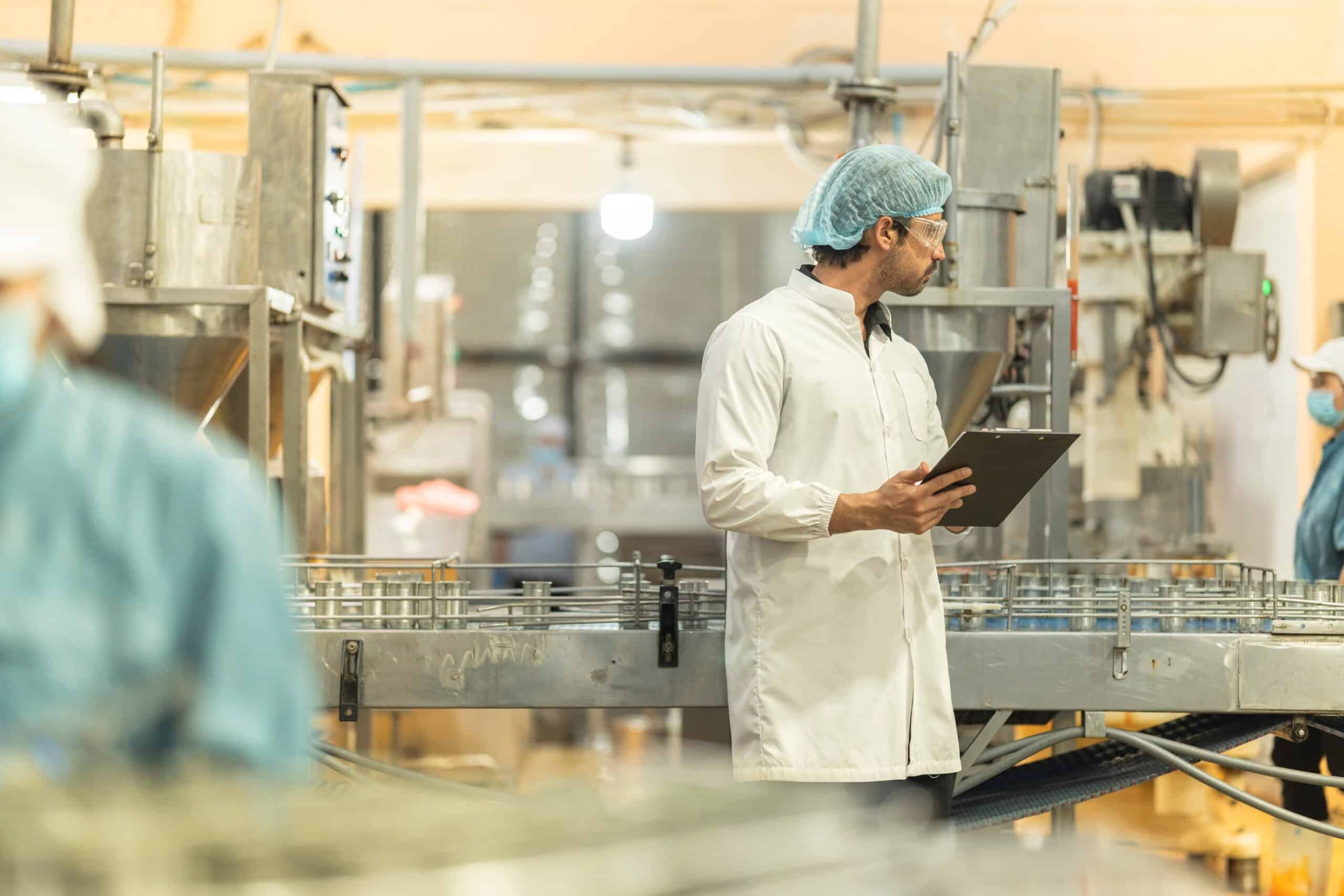

Food safety is a critical aspect of any food business, from restaurants and catering services to food production facilities and packaging plants. Implementing basic food safety principles not only ensures the safety of your consumers but also plays a key role in maintaining and enhancing the quality of the food you serve. Understanding and applying these principles consistently can protect your brand’s reputation and comply with regulatory standards.
This guide outlines the essential food safety practices you need to adopt to improve food quality and protect the health of your customers.

Why Are Food Hygiene And Safety Principles Important?
Foodborne illnesses are a major concern in the food industry. Contaminated food can result in severe health risks, legal repercussions, and irreparable damage to a business’s reputation. According to the World Health Organization (WHO), around 600 million people worldwide fall ill after consuming contaminated food annually.
Background: It is not common sense. Production and manufacturing on a large scale require tailored policies and procedures.
By implementing strict food safety practices, you mitigate the risk of cross contamination, which reduces the chances of food poisoning and ensures your food and drink are safe for consumption. Maintaining these high standards not only protects customers but also leads to greater customer satisfaction and loyalty, which are essential for any successful food business.
The 5 Key Food Safety Principles
To maintain food safety and quality, there are five essential principles that every food business should follow. These basic food safety principles act as a foundation for preventing contamination and preserving food integrity from farm to fork.
1. Proper Food Storage
One of the cornerstones of food safety is proper food storage. Storing food at the correct temperatures can prevent harmful bacteria from multiplying. Bacteria thrive in the ‘danger zone’ between 5°C and 63°C, so it’s crucial to ensure perishable foods are kept below 5°C, while hot foods should be stored at temperatures above 63°C.
To improve food quality, ensure that food items are rotated according to the “first in, first out” (FIFO) principle, which ensures that older stock is used before newer stock. This reduces the risk of spoilage and ensures that food remains fresh and is safe food to eat. Additionally, maintaining proper food hygiene is crucial to guarantee the safety and quality of all food items.
2. Thorough Cooking
Cooking food to the right temperature is vital for eliminating harmful microorganisms. Different foods require different internal temperatures to ensure they are safe for consumption. For example, poultry should reach an internal temperature of at least 75°C, while red meats should reach 70°C.
Using a food thermometer can ensure that food is cooked thoroughly. Undercooked food is one of the most common causes of foodborne illnesses, and careful temperature control is key to improving food quality and ensuring it’s safe to serve.
3. Cross-Contamination Prevention
Cross contamination occurs when harmful bacteria or allergens are transferred from one food or drink item or surface to another. This can happen through dirty utensils, improperly cleaned surfaces, or even by using the same chopping board for raw meat and fruits and vegetables. To avoid this, it’s important to follow proper food safety and hygiene practices, especially if someone has a food allergy, ensuring all surfaces and utensils are cleaned thoroughly before you eat food.
To prevent cross-contamination, it’s essential to:
- Use separate equipment for raw and cooked foods
- Clean and sanitise all surfaces and utensils after use
- Store raw food and seafood away from other foods in the refrigerator
By practicing good hygiene and organisation, you protect your food from contamination and uphold its quality.
4. Personal Hygiene
Food handlers are one of the most significant sources of foodborne pathogens. Therefore, maintaining high levels of personal hygiene is a critical food safety practice. All employees should follow strict hygiene standards, such as:
- Washing hands thoroughly with soap and water before handling food
- Wearing clean uniforms and appropriate protective gear, like gloves and hairnets
- Avoiding handling food when ill, as viruses and bacteria can easily spread to food products
Good personal hygiene not only helps to keep food safe but also ensures a safer food supply by preventing the introduction of external contaminants. This practice helps maintain the freshness and quality of the food you keep and ultimately eat, contributing to safer food overall.
5. Cleaning and Sanitising
A clean environment is essential for food safety. Regular cleaning and sanitising of surfaces, equipment, and storage areas can help eliminate the bacteria that cause foodborne illnesses.
It’s important to develop a thorough cleaning schedule that includes:
- Disinfecting food preparation surfaces after each use
- Cleaning kitchen equipment, utensils, and containers regularly
- Regular pest control measures to avoid infestation
Effective cleaning practices help in maintaining the overall quality of your food products and ensure compliance with food safety standards.
Implementing Basic Food Hygiene And Food Safety Practices to Improve Food Quality
While the above principles form the foundation of food safety, there are additional practices you can implement to further enhance the quality of your food:
1. Use High-Quality Ingredients
High-quality food starts with high-quality ingredients. Sourcing various types of food from trusted suppliers ensures that you are receiving safe, fresh products. To maintain the safety of food in your supply, regularly inspect your suppliers’ food safety protocols and confirm that they meet regulatory standards.
2. Conduct Regular Food Safety Audits
Regular food safety audits help identify potential hazards in your food preparation and storage processes. By addressing these issues early, you can prevent future contamination risks and ensure consistent food quality. Consider working with food safety experts like Food Safety Assist to conduct these audits and receive tailored guidance on improving your practices.
3. Invest in Employee Training
Food safety training is crucial for all staff members. Employees should be regularly trained on proper food handling, storage, and cooking procedures. By investing in ongoing education, you ensure that all staff are aware of the latest food safety standards and are competent in maintaining high food quality.
4. Monitor Food Safety Through Technology
Implementing technology in your food safety protocols can make monitoring and maintaining standards easier. Temperature tracking devices, automated cleaning schedules, and digital checklists can streamline processes, improve accuracy, and reduce human error, ultimately leading to better food quality.
Working with Food Safety Experts

Improving food safety practices can be overwhelming, especially with the complexity of modern food regulations. Ensuring clean work surfaces and maintaining the basics of food hygiene are essential for safeguarding your food supply and protecting public health. Partnering with food safety experts can help you navigate these challenges effectively. At Food Safety Assist, we provide comprehensive food safety services tailored to the needs of your business. From consulting to training and auditing, we help you implement food safety practices that not only comply with regulations but also enhance your food quality.
Conclusion
By adhering to basic food safety principles such as proper storage, cooking, cross-contamination prevention, personal hygiene, and cleaning, you can significantly reduce the high risk of foodborne illnesses while improving food quality. Consistently applying these practices is essential for maintaining customer trust, meeting regulatory standards, and ensuring the long-term success of your food business.For expert advice and support in implementing these practices, get in touch with Food Safety Assist. Our tailored services will help you stay compliant and deliver high-quality food that keeps your customers coming back for more.