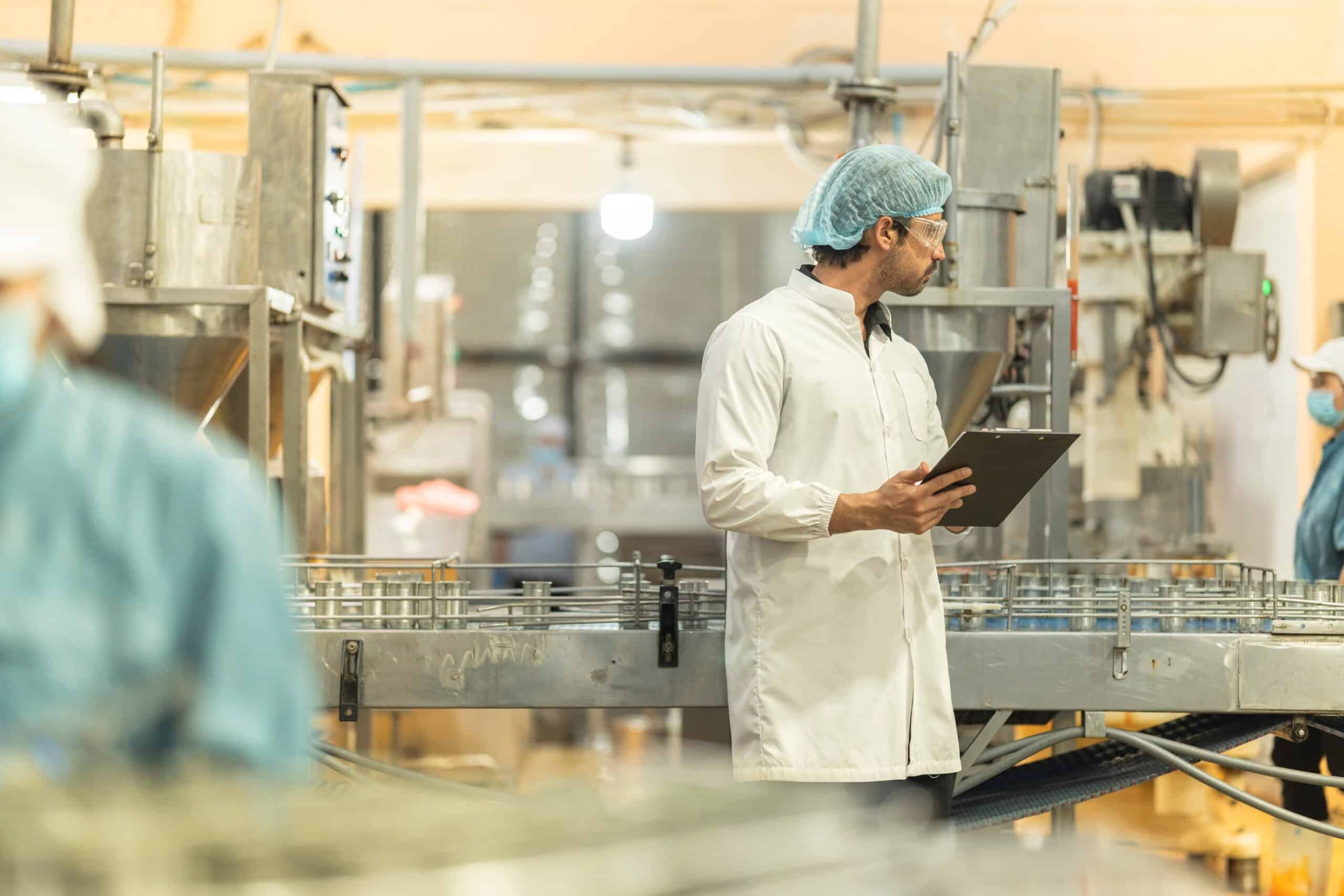

In today’s fast-paced food industry, food tech is transforming how businesses ensure safe food. From restaurants to manufacturing plants, UK food businesses are leveraging cutting-edge tools to improve safety management, stay compliant, streamline processes, and protect consumers from risks. As safety standards and regulations grow stricter, staying on top of new advancements is essential. This blog explores the top food safety technology trends UK businesses are adopting to enhance their operations and ensure the quality of food products, safeguarding public health.
Why Food Safety Technology Matters More Than Ever
Food handling breaches can lead to severe consequences, including product recalls, legal penalties, and reputational damage. The UK’s food and beverage industry must comply with stringent regulations such as the Food Safety Act 1990 and guidelines set by the Food Standards Agency (FSA). With growing consumer demand for transparency and traceability, investing in food safety technologies isn’t just a legal necessity—it’s a smart business strategy. Effective food safety management ensures compliance, protects consumers, and strengthens brand reputation.
Top Food Safety Technology Trends Shaping the UK Market
1. Digital HACCP Systems
Traditional paper-based HACCP (Hazard Analysis and Critical Control Points) systems are rapidly being replaced by digital platforms. These tools help monitor food processes more efficiently, addressing potential safety issues before they escalate. Digital HACCP platforms also support safety training by providing easy access to relevant procedures and guidelines. With the integration of safety software, businesses can manage traceable food systems and ensure compliance. Additionally, these platforms streamline data entry, automate monitoring, and reduce the risk of human error, fostering the production of innovative food products.
Why it matters:
- Reduces administrative workload
- Ensures seamless compliance with FSA and local council audits
- Automates alerts for critical control points (CCPs)
2. IoT Sensors for Temperature and Humidity Monitoring
The Internet of Things (IoT) is revolutionising the way food businesses monitor environmental conditions. Wireless sensors placed in storage areas, refrigerators, and delivery vehicles collect temperature and humidity data continuously. If readings exceed safe thresholds, the system can send instant alerts to managers.
Benefits for businesses:
- Ensures compliance with food storage regulations
- Prevents spoilage, minimising financial losses
- Enhances operational efficiency by reducing manual checks
3. Blockchain for Food Traceability
Blockchain technology is gaining traction as a solution for ensuring full transparency in the food supply chain. It supports safety compliance by enabling businesses to trace products from farm to fork, ensuring the integrity and authenticity of ingredients. For small businesses, blockchain offers a reliable way to streamline daily operations and adhere to safety protocols. When integrated with inspection apps, businesses can easily verify the origin of products and provide consumers with more detailed information about their food, enhancing trust and transparency.
Blockchain applications include:
- Tracking the journey of ingredients across multiple suppliers
- Ensuring compliance with food labelling regulations
- Preventing fraud by certifying product authenticity
4. AI-Powered Food Safety Inspection Systems
Artificial intelligence (AI) is transforming how inspections are conducted in food production facilities. AI-based cameras and algorithms can monitor hygiene practices, employee movements, and machinery in real time, reducing the risk of contamination and non-compliance. These systems help businesses follow safety guidelines and adhere to health and safety standards. For small businesses, AI offers a cost-effective way to identify potential hazards early and streamline inspections. Some systems also analyse inspection data to predict risks and suggest preventive actions, ensuring smoother operations and improved safety compliance.
Key advantages of AI-powered systems:
- Identifies violations early, reducing risks
- Provides actionable insights for process improvements
- Lowers the cost of manual inspections
5. Cloud-Based Documentation and Auditing Platforms
Cloud solutions enable businesses to store and access critical safety documents remotely, supporting the long term management of food safety. These platforms simplify audits by offering centralised access to certificates, inspection reports, and compliance records, ensuring the safety of food throughout the food system. By promoting best practices in food hygiene, businesses can maintain high quality standards and improve overall compliance.
6. Food Safety Apps for Mobile Auditing
Mobile apps are increasingly used by food service providers to conduct on-the-spot audits, track cleaning schedules, and maintain daily checklists. These apps reduce paperwork while improving accountability and record-keeping.
7. UV-C Light Technology for Surface Sterilisation
UV-C light systems are becoming popular in kitchens and food production facilities as a non-chemical method of sterilisation. These systems can effectively eliminate bacteria and viruses from surfaces and equipment.
Staying Ahead of the Curve with Food Safety Assist

At Food Safety Assist, we help ensure businesses adopt the latest food safety practices and remain compliant with UK regulations. Whether you need assistance with digital HACCP implementation, risk assessments, or food safety audits, our team provides expert support tailored to your daily operations. We ensure that food is stored correctly and handled safely, which reduces the risk of non-compliance and contamination. Our services aim to streamline processes and ensure that food meets the highest safety standards, giving you peace of mind.
Learn more about how we can help your business here.
Conclusion
Technology is playing a pivotal role in modernising food safety for UK businesses. From IoT sensors to AI-based inspection systems, these innovations not only improve food safety but also streamline process management and enhance operational efficiency. For food manufacturers, adopting these technologies supports safe food handling practices and ensures adherence to safety and quality standards. This comprehensive guide highlights how implementing technology enables businesses to stay competitive, take timely corrective actions, and build trust with consumers through improved compliance and safety.If your organisation is ready to take the next step in food safety, now is the time to act. Get in touch with Food Safety Assist to explore how we can support your journey with tailored food safety solutions and expert guidance.